The Luminaries: Who's Who at the party
Regina Andrews
(1901–1993)
Librarian, playwright, and community arts leader who turned Harlem’s 135th Street Library into a salon and incubator for Renaissance artists and writers.
John Henrik Clarke
(1915–1998)
Historian, Pan-Africanist, and educator whose scholarship on African and African American history was foundational to generations of Black scholars.
Abram Hill
(1910–1986)
Playwright and producer who co-founded the American Negro Theatre in Harlem in 1940, an incubator for Black theatrical talent that launched the careers of Sidney Poitier, Harry Belafonte, and Ruby Dee. His play On Strivers Row remains a landmark of Black comedy.
Gerri Major
(1894–1984)
Journalist and society editor for numerous Black magazines and newspapers including The Tattler, Jet, and Ebony magazines, her Strivers Row home served as an important Salon for artists, performers, writers, and intellectuals during the Renaissance
Louise Thompson Patterson
(1901–1999)
Activist and educator who connected the Renaissance to labor organizing and the broader struggle for civil rights.
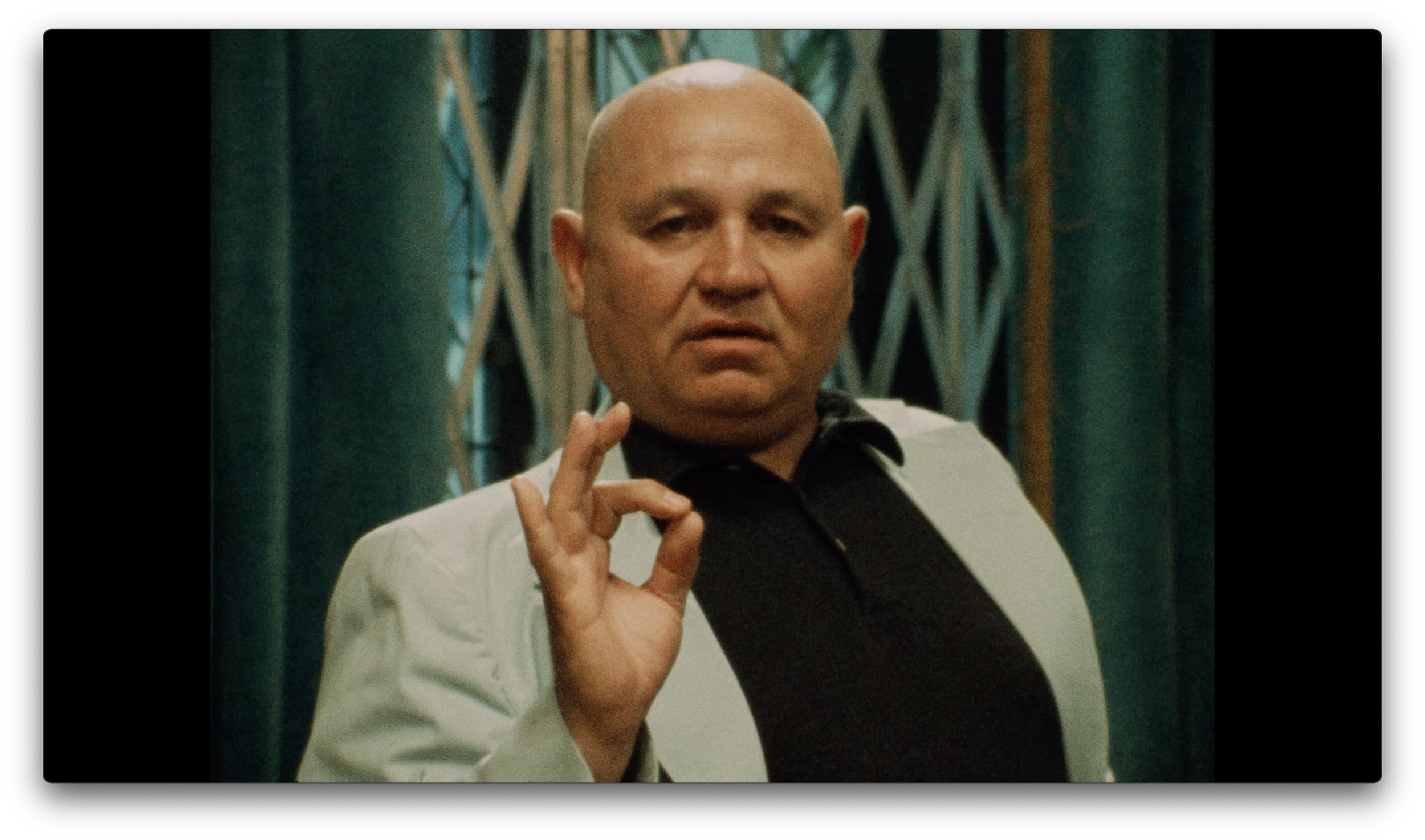
Romare Bearden
(1911–1988)
Painter and collagist whose work depicting Black American life is among the most celebrated of the 20th century.
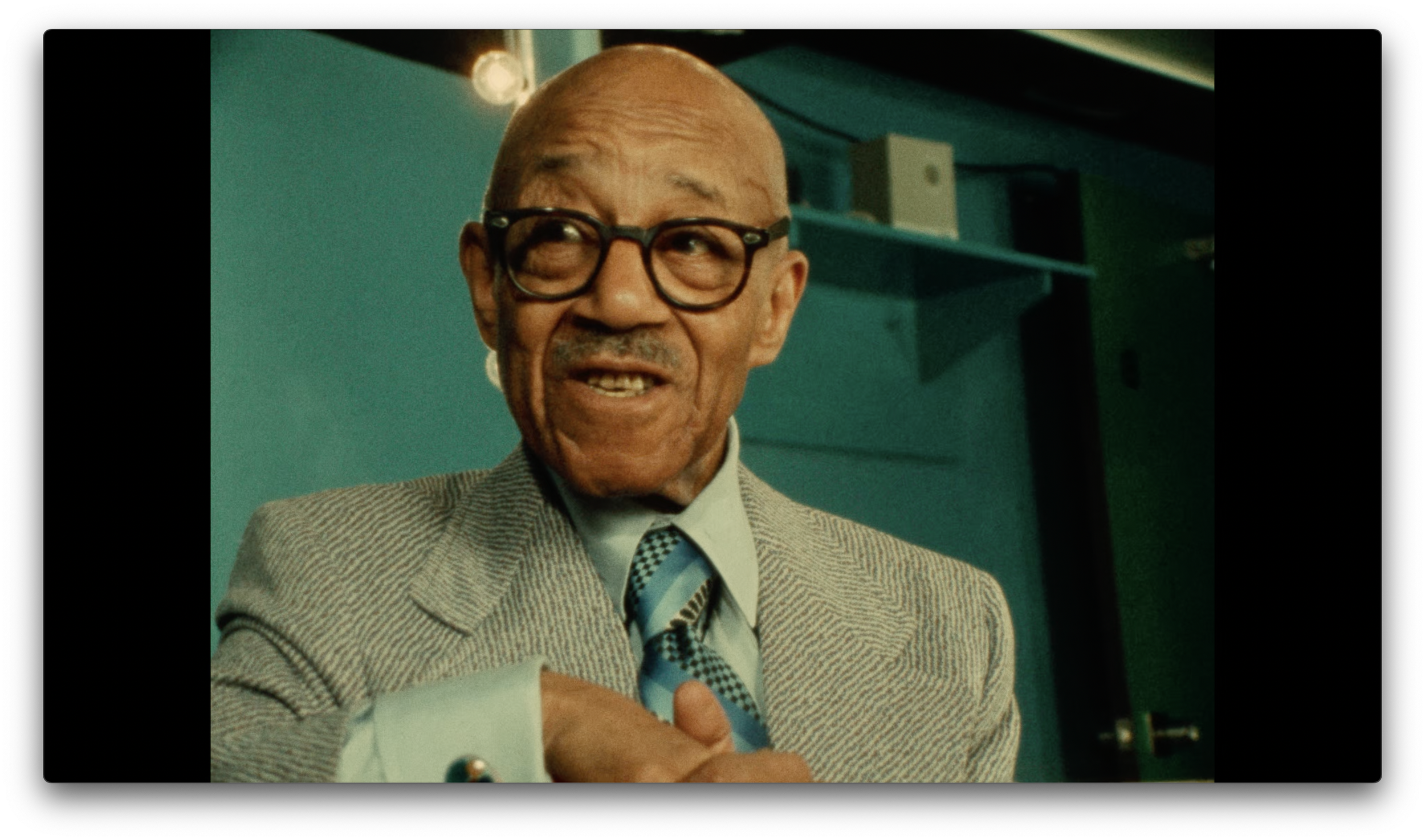
Eubie Blake
(1911–1988)
Composer and pianist whose musical Shuffle Along (1921) was a landmark of Broadway. Blake continued performing into his nineties.
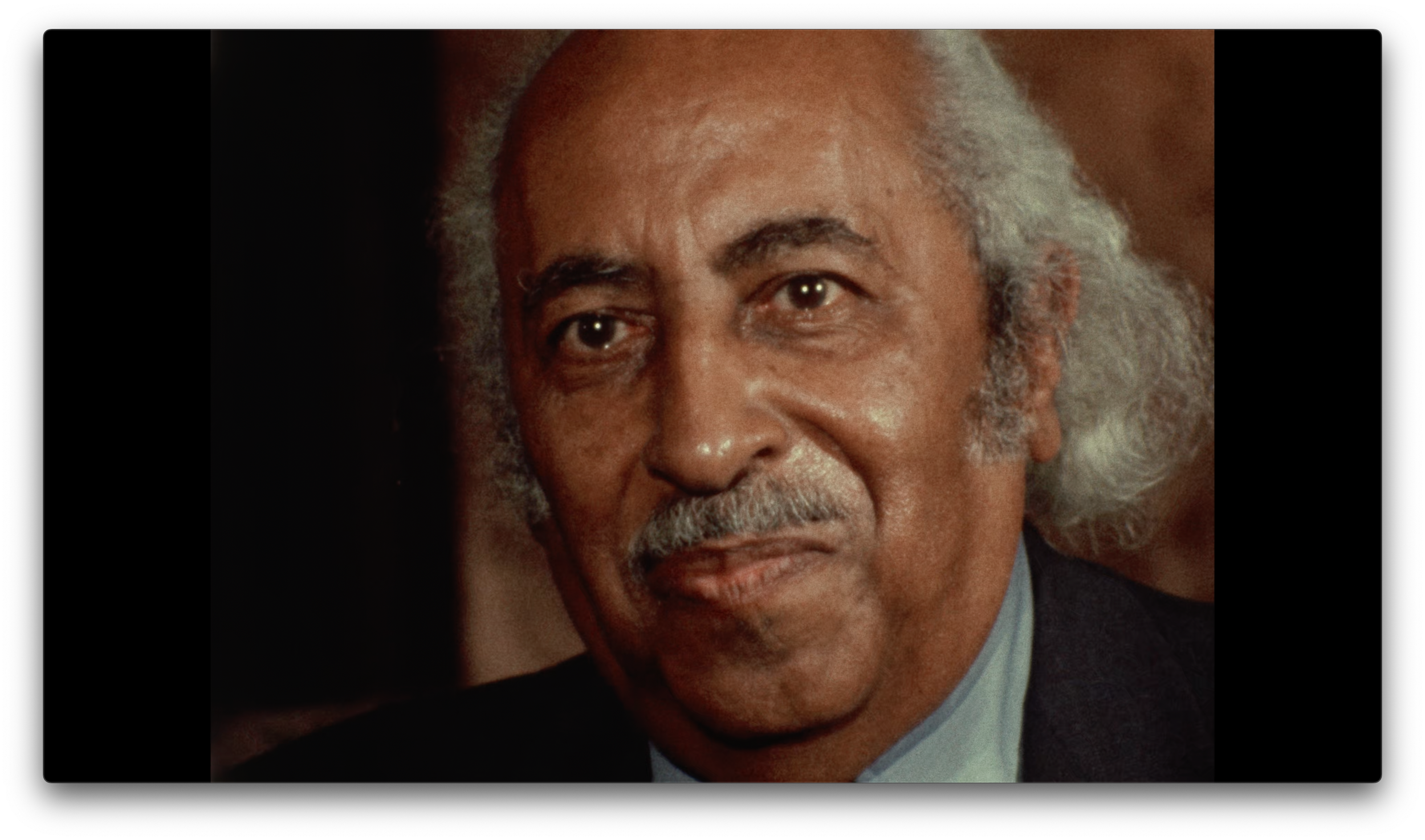
Arna Bontemps
(1902–1973)
Poet, novelist, and historian central to the literary life of the Renaissance. He later became head librarian at Fisk University and a vital archivist of Black American culture.
Ernest Crichlow
(1914–2005)
Painter, printmaker, and educator known for socially conscious depictions of Black American life.
Frank Horne
(1899–1974)
Poet, optometrist, and federal housing official whose award-winning verse appeared in Crisis and Opportunity magazines. A notable figure in both the Harlem Renaissance and Washington D.C.’s Black cultural scene, he was also the uncle of singer Lena Horne.
Irvin C. Miller
(1884–1975)
Actor, playwright, and theatrical producer described as "arguably the most well-established and successful producer of Black musical comedy” of the 1920s and 1930s. He produced landmark shows including Liza (1922) and Dinah (1923), and for thirty years produced the popular revue Brownskin Models, Black vaudeville’s answer to the Ziegfeld Follies.
Ida Mae Cullen
(1908–1986)
Wife and literary executor of Renaissance poet Countee Cullen, whom she married in 1940. After his death in 1946, she devoted decades to preserving and championing his legacy, ensuring his work remained accessible to future generations.
Nathan Huggins
(1927–1989)
Harvard scholar and author of Harlem Renaissance (1971), one of the first serious academic studies of the period.
Richard B. Moore
(1893–1978)
Political activist, scholar, and fierce advocate for the use of the term “Afro-American,” deeply influenced by Marcus Garvey.
Aaron Douglas
(1899–1979)
Painter and muralist, widely considered the “Father of African American Art.” His bold geometric style, infused with African motifs, became the visual signature of the Harlem Renaissance.
Jean Blackwell Hutson
(1914–1998)
Librarian, archivist, and curator who served as chief of the Schomburg Center for Research in Black Culture from 1948 to 1980, transforming it into one of the world’s foremost repositories of African American history and culture. The Schomburg’s Research and Reference Division bears her name.
Richard Bruce Nugent
(1906–1987)
Writer, painter, and openly queer cultural pioneer; his 1926 story “Smoke, Lilies and Jade” appeared in the avant-garde Fire! Magazine and was among the first explicitly gay works published by a Black American writer.
William Lorenzo Patterson (1891–1980)
Lawyer, civil rights leader, and head of the International Labor Defense, best known for presenting the landmark We Charge Genocide petition to the United Nations in 1951, charging the U.S. government with complicity in the systematic oppression of Black Americans. He was the husband of Renaissance activist Louise Thompson Patterson.
Ted Poston (1906–1974)
Journalist and author, known as the “Dean of Black Journalists,” who was among the first African Americans to work as a reporter at a mainstream white-owned newspaper, the New York Post. He began his career at the New York Amsterdam News in Harlem in 1928 and covered landmark civil rights stories over four decades.
George Schuyler (1895–1977)
Journalist and satirist whose novel Black No More (1931) is a devastating critique of American racism.
Noble Sissle (1889–1975)
Composer, lyricist, bandleader, and civil rights advocate who fought to desegregate performance venues. Wrote the music for Shuffle Along.
James Van Der Zee (1886–1983)
Harlem’s preeminent photographer, whose portraits documented Black life and dignity across six decades.
Leigh Whipper (1876–1975)
Actor, activist, and founding member of the Negro Actors Guild. He appeared in over 20 films (sometimes uncredited) including Of Mice and Men(1939) and Mission to Moscow (1943).